How to Tell When Your Lawn Needs Aeration
If your lawn shows signs like compacted soil, thinning grass, or pooling water, local lawn aeration service providers can help improve its health and appearance.
Understanding when your lawn needs aeration is an important step toward maintaining a healthy, lush yard. Property owners in the area often notice signs such as compacted soil, standing water after rain, or a decline in grass vitality-all indicators that aeration could benefit their landscape. Recognizing these practical clues can help ensure your lawn receives the proper care it needs to thrive, especially during times when soil becomes overly dense or roots struggle to access nutrients and water.
For many local property owners, connecting with experienced service providers who specialize in lawn aeration can make a significant difference. These professionals have the knowledge to assess your yard’s specific conditions and recommend appropriate solutions. Whether your grass shows signs of stress or your soil feels hard beneath your feet, experts can provide tailored services that support a healthy, resilient lawn. Keep reading to learn more about how to identify the need for aeration and how local contractors can assist in keeping your yard in top shape.
- Common Projects - Lawn aeration services are often needed when soil compaction causes water runoff and poor grass growth, and local contractors evaluate soil conditions to determine the best approach.
- Common Projects - When lawns develop a spongy or uneven surface, local service providers can assess these signs and perform aeration to improve soil health and turf density.
- Common Projects - Signs of thinning or patchy grass can indicate underlying compaction issues, prompting local pros to recommend aeration as part of lawn maintenance.
- Common Projects - If water tends to pool or drain slowly on a lawn, local contractors may suggest aeration to enhance drainage and promote healthier root systems.
- Common Projects - When lawns show reduced resilience after heavy foot traffic or drought, local service providers can evaluate soil aeration needs to restore turf vitality.
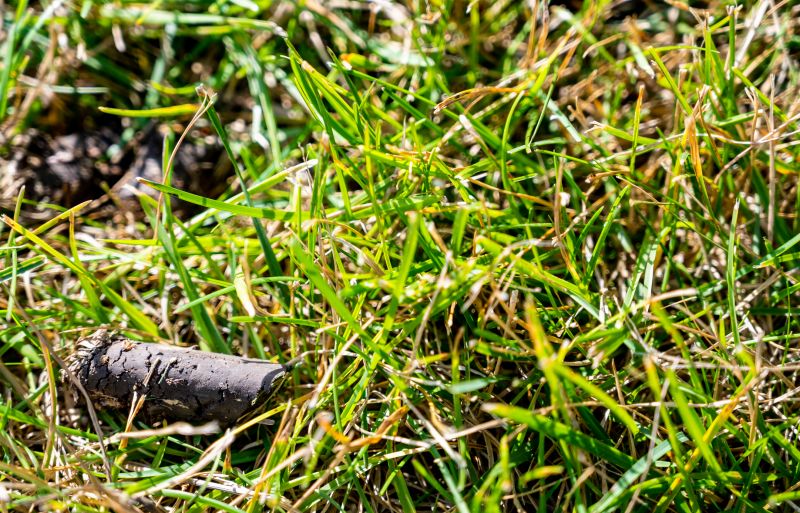
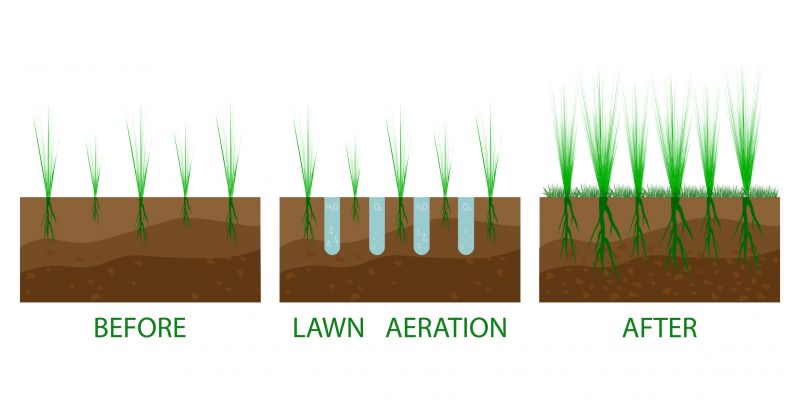
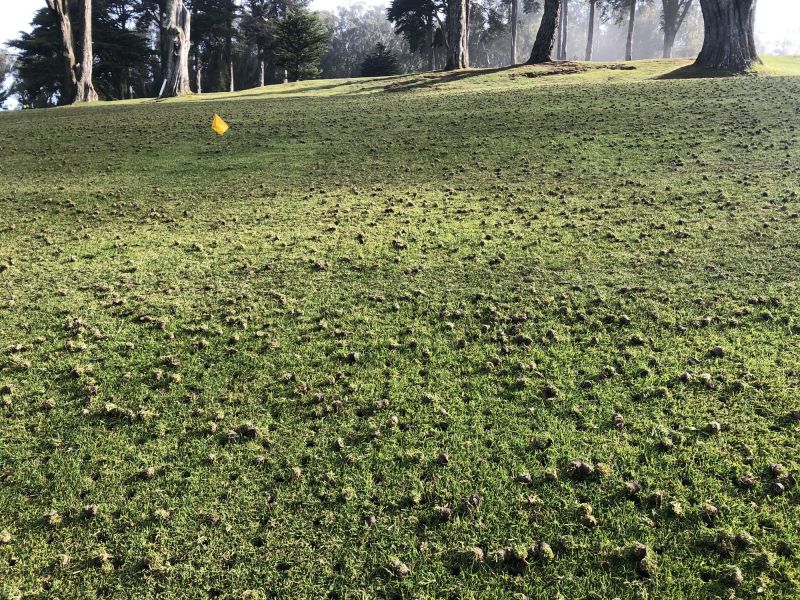
Understanding when a lawn needs aeration begins with recognizing common signs of soil compaction and poor turf health. Homeowners often search for this topic after noticing that their grass appears thin, patchy, or struggles to grow uniformly. These issues can be linked to soil that has become dense or clogged with thatch, making it difficult for air, water, and nutrients to reach the roots effectively. Typically, this situation arises on properties with high foot traffic, heavy equipment use, or lawns that have been overseeded or fertilized repeatedly without proper soil management. Recognizing these early indicators helps homeowners determine if aeration might improve their lawn’s overall health and appearance.
Other signs that point to a need for aeration include water runoff problems and a slow-draining yard. When excess water pools on the surface or takes a long time to soak in, it often signals that the soil has become compacted or that thatch buildup is preventing proper absorption. This issue is common on properties with clay soils or lawns that have experienced drought stress. Additionally, lawns that feel spongy or have a soft, mushy texture underfoot can indicate excessive thatch or compacted soil layers. These conditions hinder root growth and can lead to increased vulnerability to pests and diseases, making aeration a practical step to restore soil health.
Properties that typically come up in discussions about lawn aeration include residential yards, especially those with larger or heavily used lawns, as well as community parks and sports fields. These areas often experience frequent foot traffic, which compacts the soil over time. Lawns with a history of overwatering or poor drainage are also common candidates for aeration, as their soil structure may have deteriorated. Homeowners with lawns that have become uneven or show signs of thinning may find that aeration helps improve grass density and resilience. Local service providers who specialize in lawn aeration can assess these property types and recommend tailored solutions to address specific soil conditions and turf needs.
In practical terms, understanding how to tell when a lawn needs aeration connects directly to the health and longevity of the grass. Properly aerated lawns tend to have better nutrient uptake, improved water absorption, and stronger root systems. Homeowners who notice persistent issues like thinning grass, poor drainage, or compacted soil should consider consulting local contractors who provide lawn aeration services. These professionals can evaluate the property’s soil conditions, identify underlying problems, and perform the necessary aeration treatments to help restore a lush, healthy lawn. Connecting with experienced service providers ensures that the process is done effectively and tailored to the specific needs of each property.
Soil Testing Services - local contractors offer soil testing to assess compaction levels, helping determine if aeration is needed to improve lawn health.
Lawn Drainage Improvement - professionals can identify drainage issues that may be alleviated through aeration, which helps water penetrate the soil more effectively.
Thatch Removal Services - experts provide thatch removal, a process related to aeration that can enhance soil aeration and promote healthier grass growth.
Overseeding Projects - overseeding often requires aeration beforehand to create optimal conditions for seed germination and turf establishment.
Compacted Soil Restoration - local service providers specialize in loosening compacted soil, a key aspect of aeration needed when lawns show signs of heavy foot traffic or soil hardness.
Landscape Grading Services - proper grading can prevent soil compaction and water pooling, complementing aeration efforts to maintain a healthy lawn environment.
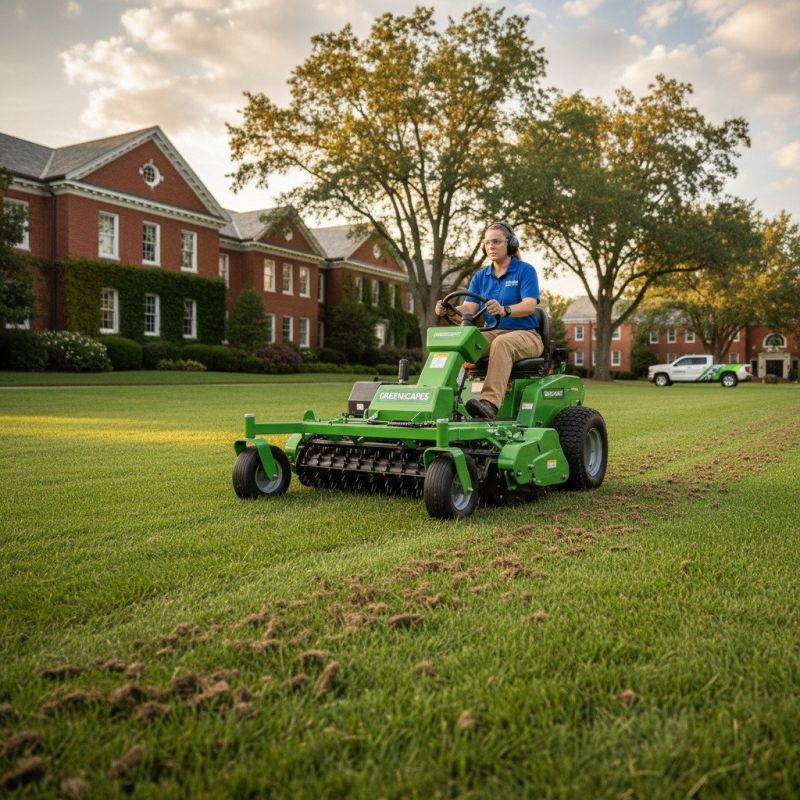
When evaluating lawn aeration services, it’s important to consider the experience of the service providers with similar projects. Homeowners should seek out local contractors who have a proven track record of performing aeration on lawns comparable in size and condition to their own. An experienced professional will understand the signs that indicate when a lawn needs aeration, such as compacted soil or poor drainage, and can tailor their approach accordingly. Checking for references or reviews that highlight successful past projects can provide insight into a contractor’s familiarity with the process and their ability to handle specific lawn conditions effectively.
Clear written expectations are essential when comparing local service providers for lawn aeration. Homeowners should look for detailed descriptions of what the service includes, such as the type of equipment used, the areas that will be aerated, and any preparatory or follow-up steps. Transparent communication about the scope of work helps ensure that both parties have aligned expectations and reduces the risk of misunderstandings. Service providers who offer comprehensive information upfront demonstrate professionalism and a willingness to address questions or concerns, making it easier for homeowners to assess their suitability for the project.
Good communication and reputable references are key factors when choosing a lawn aeration specialist. Reliable local contractors should be responsive to inquiries and willing to provide contact information for previous clients or references. This allows homeowners to confirm the quality of work and the level of professionalism demonstrated during past projects. Strong communication skills also make it easier to discuss specific lawn conditions, scheduling preferences, and any special considerations, ensuring a smooth and satisfactory experience. Prioritizing providers with positive references and clear, open communication can help homeowners feel confident in their choice of a service provider to handle their lawn aeration needs effectively.
Property owners often search for how to tell when your lawn needs aeration when they are planning practical projects around their homes and businesses. Local pros provide Lawn Aeration services for everyday jobs and straightforward project options.
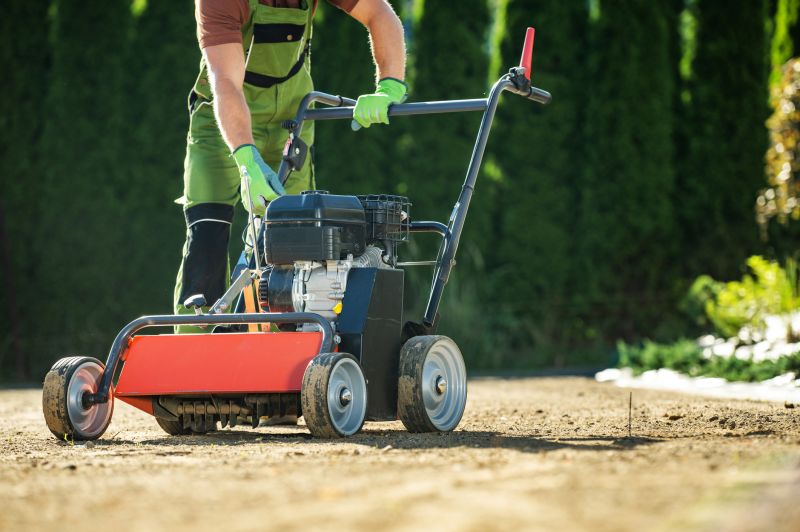
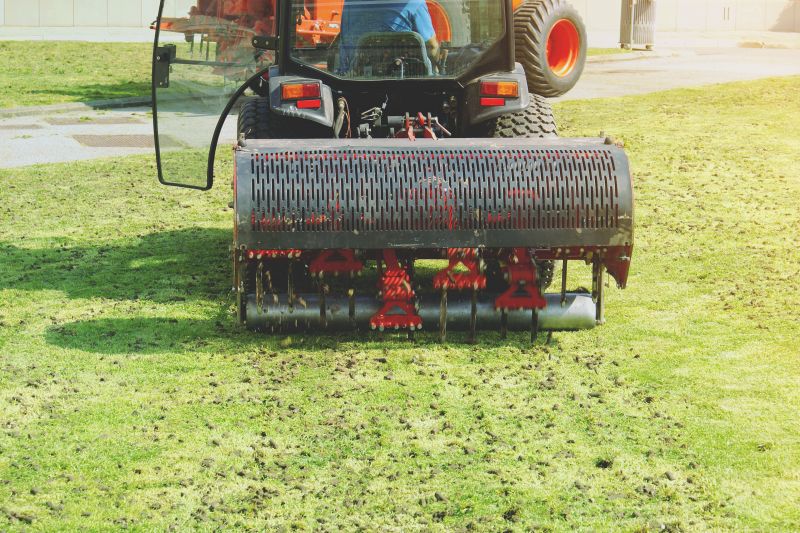
Property owners in the area often notice that their lawns feel unusually compacted or firm underfoot, especially after periods of heavy foot traffic or drought conditions. When the grass begins to struggle with healthy growth, turning yellow or developing thin patches, it can be a sign that the soil has become too dense for air, water, and nutrients to reach the roots effectively. These common signs can prompt property owners to consider lawn aeration services offered by local contractors, who can help improve soil health and promote a lush, resilient yard.
Other indicators include the presence of standing water or poor drainage after rain, which suggests that the soil isn’t absorbing water properly due to compaction. If the grass shows signs of stress despite regular watering and fertilization, it might be time to explore aeration options. Local service providers can assess these issues and determine if aeration would benefit the lawn, ensuring that the soil remains healthy and capable of supporting vigorous grass growth.
What are signs that my lawn needs aeration? Signs include compacted soil, poor drainage, thinning grass, and areas where the lawn feels hard or crusty underfoot. Local contractors can assess these conditions and recommend appropriate aeration services.
How can I tell if my lawn has compacted soil? If the soil feels dense and resistant when you insert a garden fork or spike, it may be compacted. Professionals can evaluate soil health and perform aeration to improve soil structure.
Are there visible indicators of poor lawn health related to aeration needs? Yes, areas with patchy growth, excessive thatch buildup, or areas where grass struggles to recover after mowing can indicate the need for aeration. Local service providers can help address these issues.
Does heavy foot traffic affect when my lawn needs aeration? Frequent foot traffic can compact soil over time, leading to the need for aeration. Local contractors can determine if your lawn requires aeration to restore healthy grass growth.
When is the best time to have my lawn aerated? The optimal time varies by climate, but generally, late spring or early fall are ideal periods. Local pros can advise on the best timing based on your lawn’s specific conditions.
Soil compaction signs - noticing that your lawn feels hard or resistant when walking across it may indicate soil compaction, making aeration services by local contractors beneficial.
Thatch buildup - a thick layer of thatch can prevent air, water, and nutrients from reaching roots, signaling that aeration could improve lawn health.
Poor drainage or water pooling - areas where water tends to pool or drain slowly suggest soil needs aeration to promote better absorption and airflow.
Limited grass growth - patches of thin or slow-growing grass can be a sign that the soil is compacted or unhealthy, with local service providers able to help restore optimal conditions.
If you are thinking about how to tell when your lawn needs aeration for a property, this guide is meant to help you understand this topic, the typical project types, and how different options might fit your plans.
When you are ready, you can use the quote form on this page to share a few details about your project. From there, local pros can review the basics and follow up with options that match what you have in mind.