Poison Oak Removal in Harford County, MD
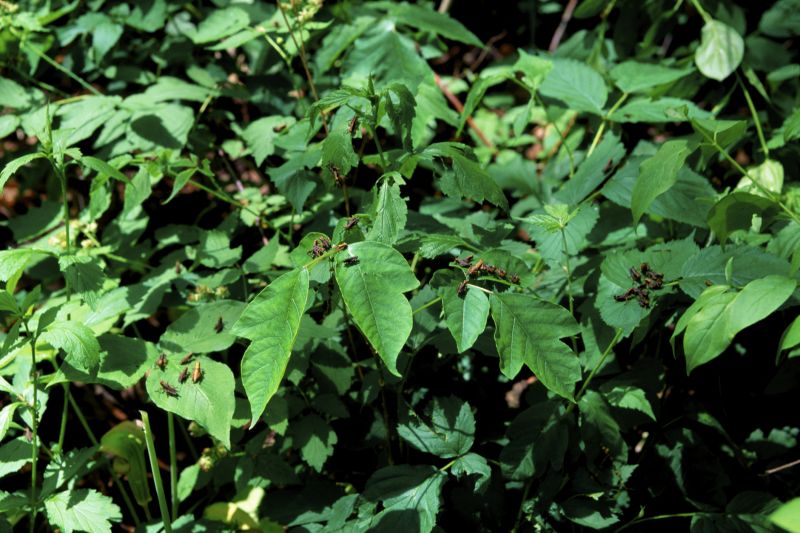
Poison oak removal services focus on safely eliminating this toxic plant from residential properties. These services are typically requested for projects involving overgrown yards, landscaped areas, or outdoor spaces where poison oak poses a risk to residents and visitors. Property owners often seek professional help to identify and carefully remove the plants, especially in areas with dense growth or hard-to-reach spots, to prevent skin irritation, allergic reactions, or accidental contact.
Before requesting poison oak removal, property owners usually want to understand the scope of the project, including the extent of the growth, the methods used for removal, and whether cleanup and disposal are included. Clarifying these details helps ensure the removal process is thorough and safe, particularly in outdoor spaces used for recreation or gardening. Proper removal also involves addressing any regrowth to maintain a safe environment and prevent future issues with poison oak plants.
Many property owners in Harford County, MD look into Poison Oak Removal for repairs, replacements, upgrades, and appearance-related improvements.
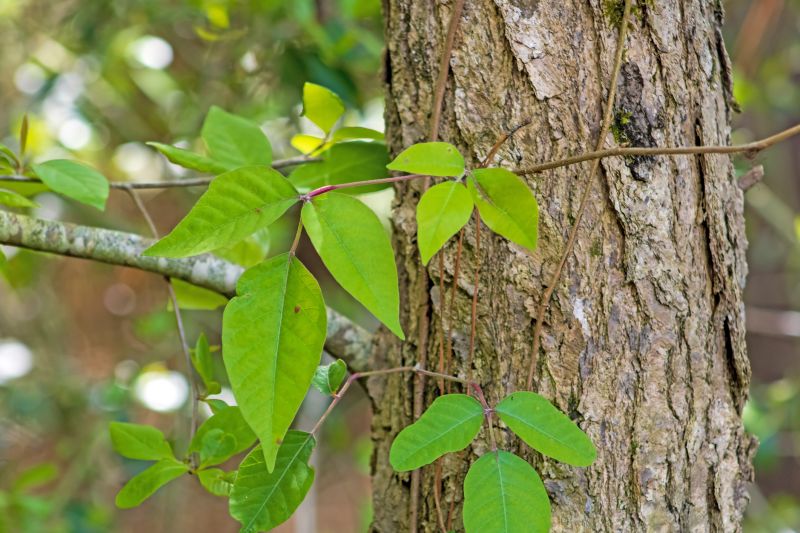
Poison Oak Removal For Safe Landscapes
Removing poison oak helps protect families and pets from skin irritation and allergic reactions.
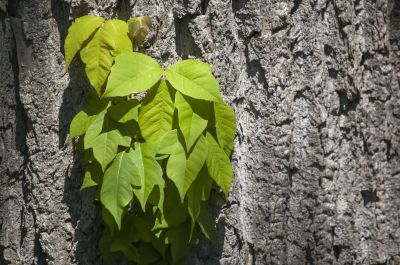
Property Clearing And Maintenance
Professional poison oak removal is often needed for yard cleanup, trail maintenance, or new construction sites in harford county.
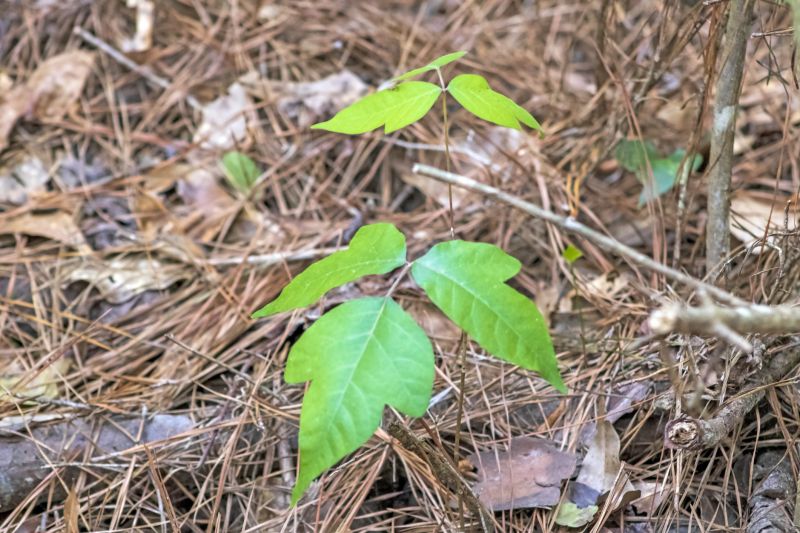
Preventative Landscaping Solutions
Effective removal methods reduce the risk of poison oak regrowth and keep outdoor spaces safe and accessible.
Poison Oak Removal in Harford County, MD
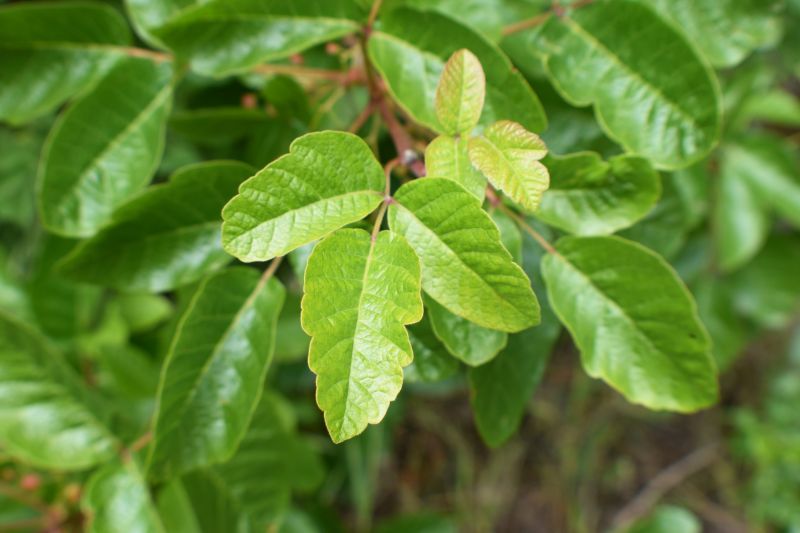
Poison oak removal services focus on safely eliminating this toxic plant from residential properties. These services are typically requested for projects involving overgrown yards, landscaped areas, or outdoor spaces where poison oak poses a risk to residents and visitors. Property owners often seek professional help to identify and carefully remove the plants, especially in areas with dense growth or hard-to-reach spots, to prevent skin irritation, allergic reactions, or accidental contact.
Before requesting poison oak removal, property owners usually want to understand the scope of the project, including the extent of the growth, the methods used for removal, and whether cleanup and disposal are included. Clarifying these details helps ensure the removal process is thorough and safe, particularly in outdoor spaces used for recreation or gardening. Proper removal also involves addressing any regrowth to maintain a safe environment and prevent future issues with poison oak plants.
Many property owners in Harford County, MD look into Poison Oak Removal for repairs, replacements, upgrades, and appearance-related improvements.
Common Poison Oak Removal Jobs
Poison Oak Removal - Safe elimination of poison oak to protect landscaping and outdoor spaces.
Poison Oak Clearing - Removal of poison oak to prevent contact and allergic reactions.
Poison Oak Eradication - Complete removal of poison oak plants from residential properties.
Poison Oak Control - Managing and controlling poison oak growth in yard areas.
Poison Oak Removal Service - Professional removal to ensure thorough clearance of affected areas.
Poison Oak Landscaping - Clearing and restoring landscapes affected by poison oak growth.
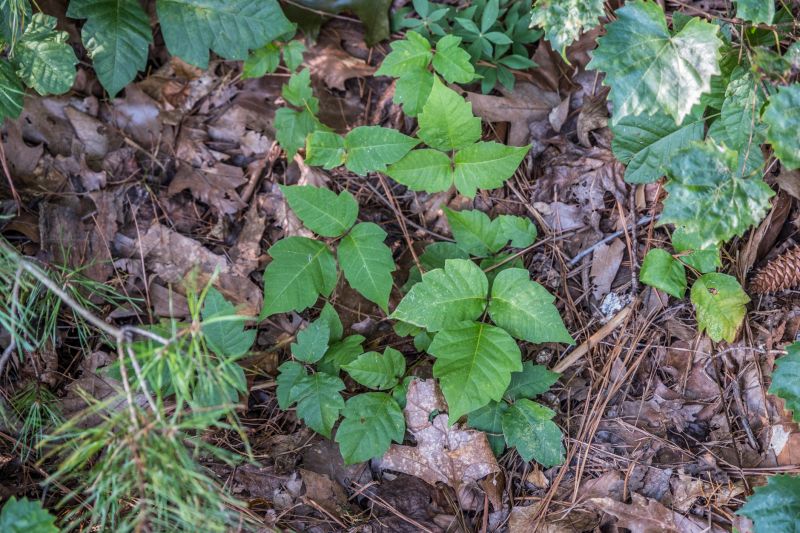
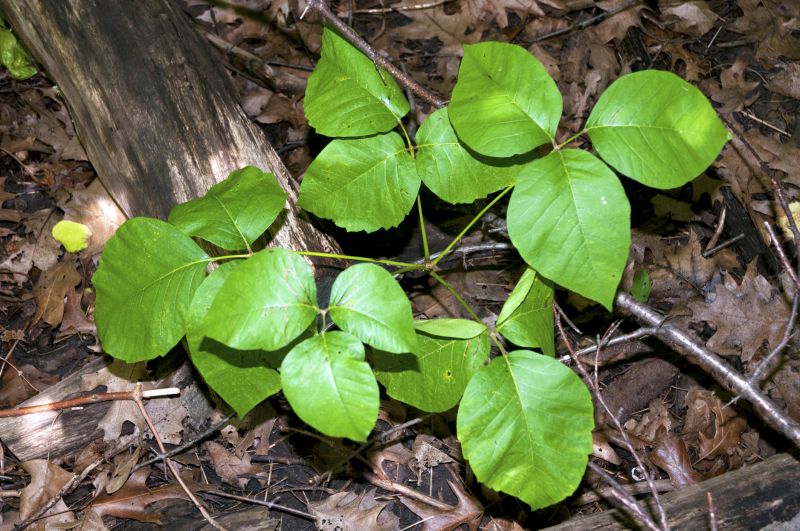
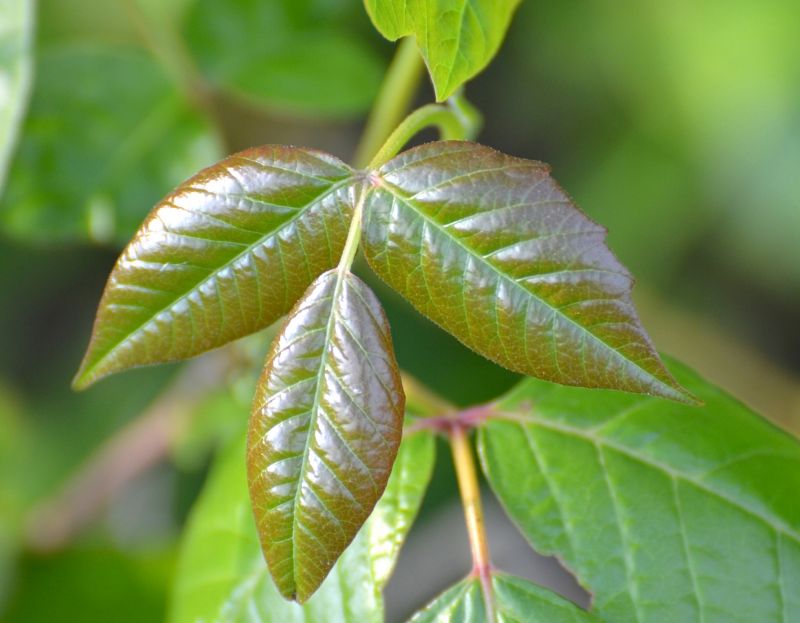
Poison Oak Removal Questions
What is poison oak removal? Poison oak removal involves safely eliminating the plant to prevent skin irritation and property damage.
When should poison oak be removed? Removal is recommended when poison oak is actively growing or poses a risk to people and pets on the property.
What methods are used for poison oak removal? Techniques include manual removal, herbicide application, and proper disposal to ensure complete eradication.
Why hire a professional for poison oak removal? Professionals ensure safe removal, proper disposal, and reduce the risk of allergic reactions or plant regrowth.
Request Poison Oak Removal in Harford County, MD
Use the quote form on this page to share the basics of your project and request more information for the type of work you need.