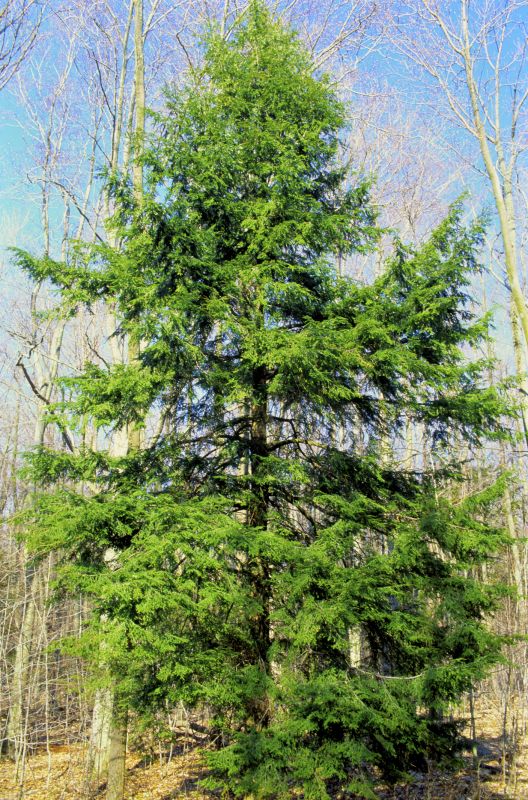
Hemlock Removal in Philadelphia, PA
Hemlock removal services involve the careful elimination of hemlock trees from residential properties. These services are often requested for projects such as clearing overgrown or hazardous trees, managing invasive species, or improving the safety and appearance of a landscape. Property owners typically seek information on the scope of removal, including whether the service covers entire trees or just problematic sections, and want to understand any potential impact on surrounding plants or structures. Clarifying the process, including cleanup and disposal of the removed material, can help homeowners make informed decisions about their landscape management.
Before requesting hemlock removal, property owners usually want to know about the health and stability of the trees, as well as any local regulations or restrictions related to tree removal. It’s also common to inquire about the tools and methods used, ensuring the work is performed safely and efficiently. Understanding the reasons for removal-such as disease, pest infestation, or safety concerns-can help homeowners plan for additional landscaping or replacement planting afterward. Clear communication about the process and expectations can lead to a smoother experience and a healthier, more attractive property.
Many property owners in Philadelphia, PA look into Hemlock Removal for repairs, replacements, upgrades, and appearance-related improvements.
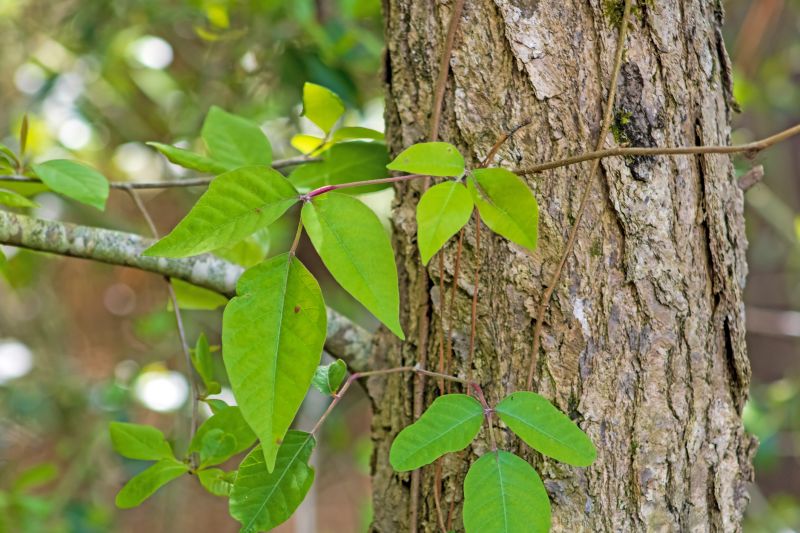
Reasons To Remove Hemlocks
Hemlock removal helps prevent disease spread and reduces safety hazards on residential properties.
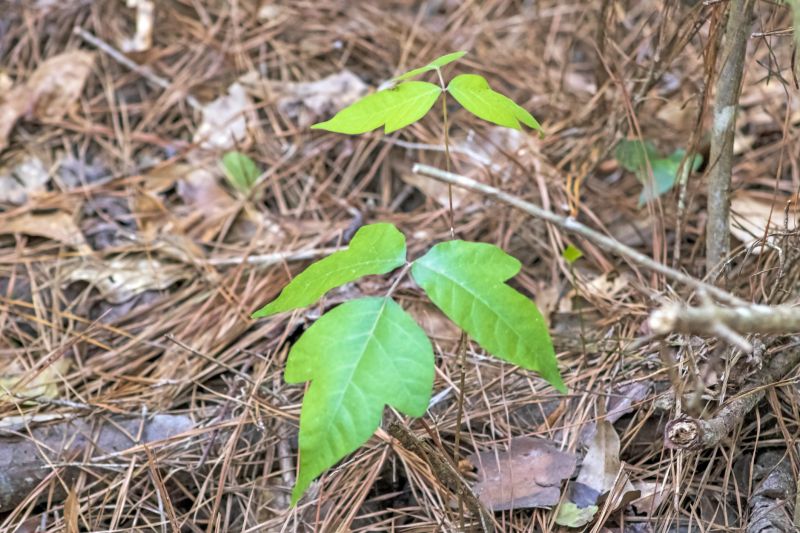
Signs Hemlocks Need Removal
Wilting, discolored needles, and structural damage are common indicators that a hemock tree may require removal.
Benefits Of Hemlock Removal
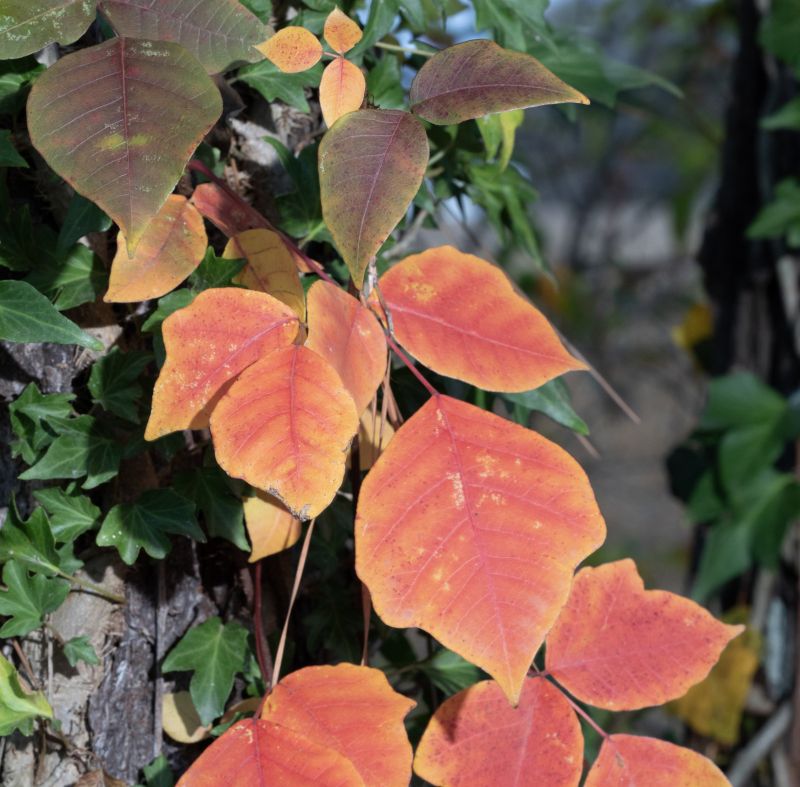
Removing problematic hemlocks can improve landscape aesthetics and protect surrounding plants and structures.
Hemlock Removal in Philadelphia, PA
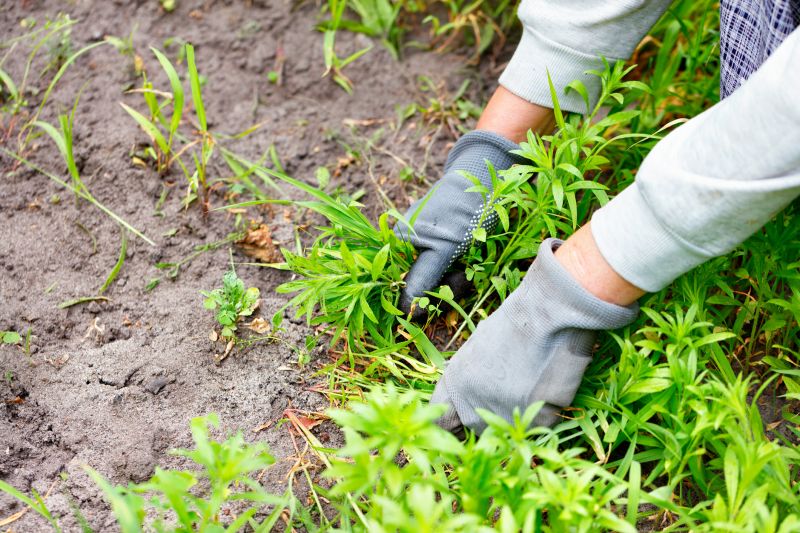
Hemlock removal services involve the careful elimination of hemlock trees from residential properties. These services are often requested for projects such as clearing overgrown or hazardous trees, managing invasive species, or improving the safety and appearance of a landscape. Property owners typically seek information on the scope of removal, including whether the service covers entire trees or just problematic sections, and want to understand any potential impact on surrounding plants or structures. Clarifying the process, including cleanup and disposal of the removed material, can help homeowners make informed decisions about their landscape management.
Before requesting hemlock removal, property owners usually want to know about the health and stability of the trees, as well as any local regulations or restrictions related to tree removal. It’s also common to inquire about the tools and methods used, ensuring the work is performed safely and efficiently. Understanding the reasons for removal-such as disease, pest infestation, or safety concerns-can help homeowners plan for additional landscaping or replacement planting afterward. Clear communication about the process and expectations can lead to a smoother experience and a healthier, more attractive property.
Many property owners in Philadelphia, PA look into Hemlock Removal for repairs, replacements, upgrades, and appearance-related improvements.
Common Hemlock Removal Jobs
Hemlock removal - safely eliminates invasive hemlock trees to protect surrounding landscapes.
Tree removal - clears overgrown or hazardous hemlocks to improve property safety.
Stump grinding - removes remaining stumps for a clean, finished look after tree removal.
Selective thinning - reduces hemlock density to promote healthier forest growth.
Invasive species control - targets and removes hemlocks to prevent spread to nearby areas.
Property clearing - prepares land for landscaping or development by removing unwanted hemlocks.
Hemlock Removal Questions
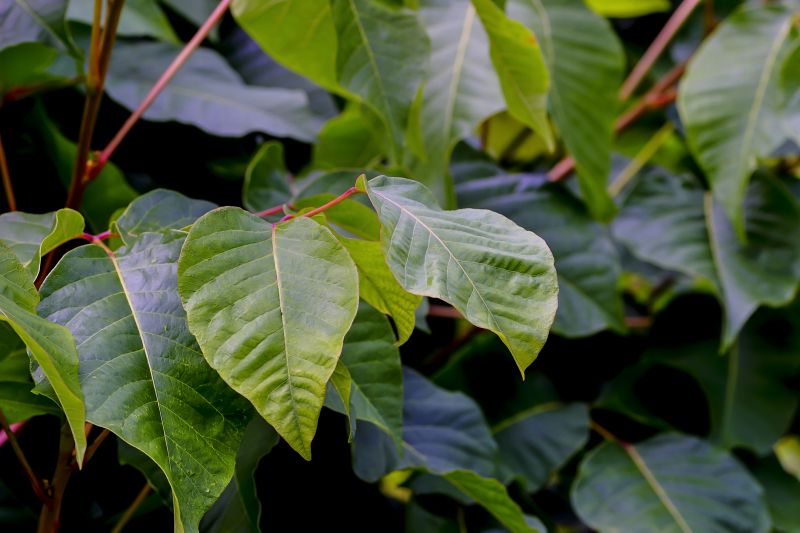
Why should Hemlock trees be removed? Hemlock trees may be removed to prevent disease spread, reduce safety hazards, or improve the health of surrounding plants and trees.
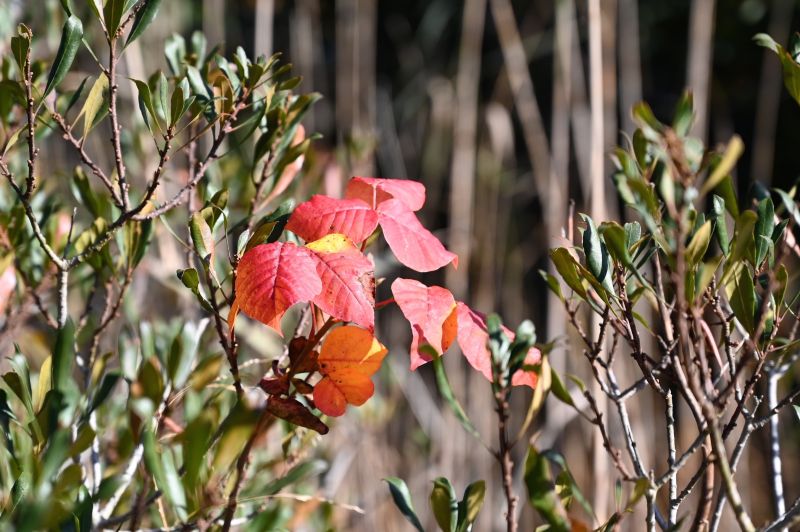
What signs indicate a Hemlock tree needs removal? Signs include extensive browning or needle loss, visible decay, or structural instability.
Is Hemlock removal disruptive to the landscape? Removal can be managed to minimize disruption and preserve the appearance of the landscape.
What are common reasons for removing Hemlocks? Common reasons include pest infestation, disease, safety concerns, or to make space for new landscaping features.
Request Hemlock Removal in Philadelphia, PA
Use the quote form on this page to share the basics of your project and request more information for the type of work you need.